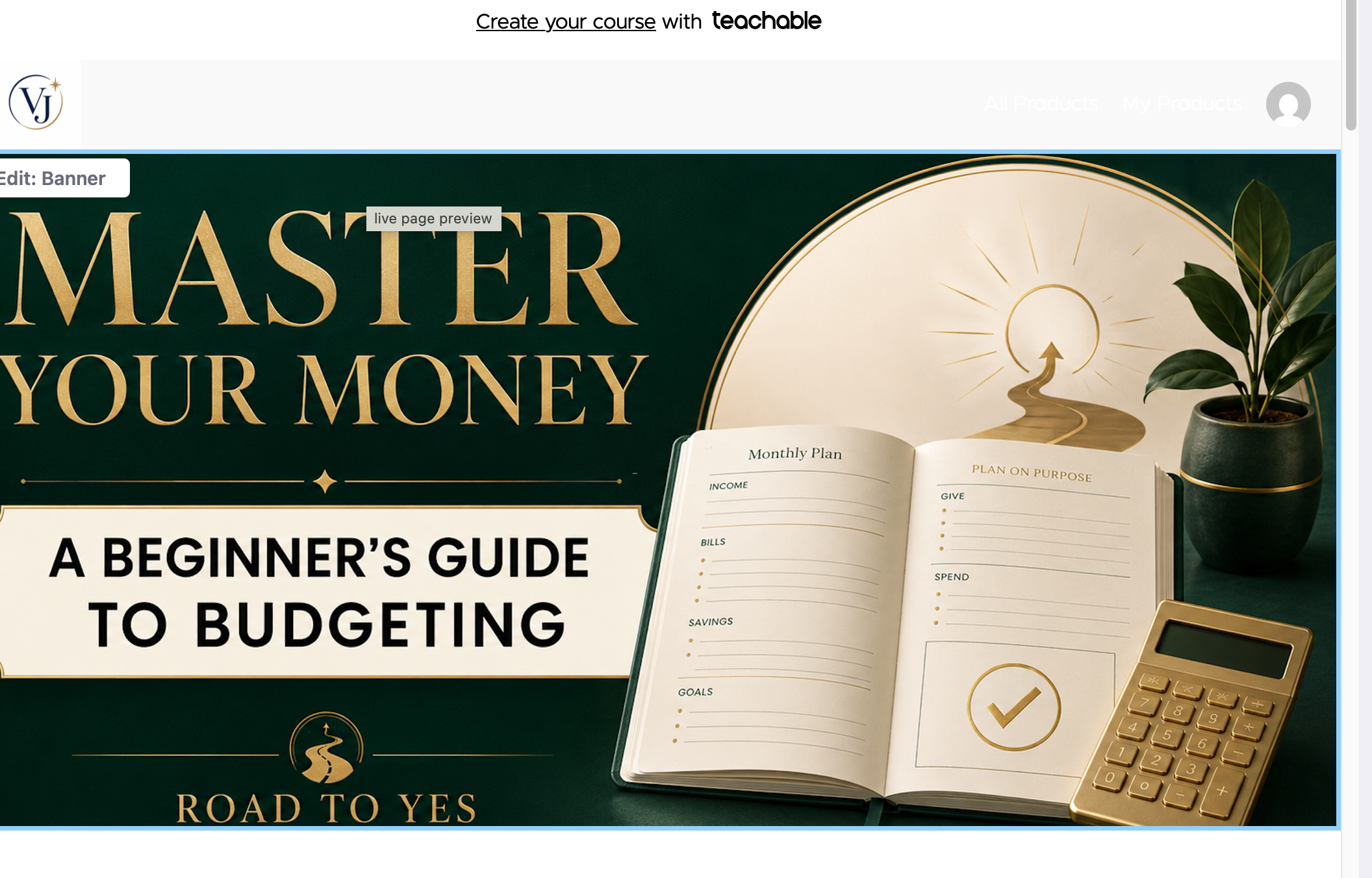

A Budget Should Support Your Life—Not Punish You
If budgeting has ever felt restrictive, confusing, or impossible to maintain, this course offers a different approach.
You will begin with where you are today, understand what your cash flow is telling you, and build a spending plan around your real income, expenses, responsibilities, and priorities.
You do not need perfect finances or a perfect financial history. You only need a willingness to look honestly at your money and take the next right step.
Through relatable examples, guided assignments, knowledge checks, and reflection activities, you will turn budgeting from something you avoid into a practical habit you can maintain.
What You’ll Learn
By the end of Master Your Money, you will be able to:
• Understand your current financial position and calculate your monthly cash flow.
• Build a realistic working budget based on your actual income, expenses, and priorities.
• Separate needs, wants, and the financial gray areas that can disrupt a spending plan.
• Prepare for irregular expenses using sinking funds and emergency savings.
• Make thoughtful spending decisions without feeling deprived or discouraged.
• Adjust your budget when your income changes or an unexpected expense occurs.
• Establish weekly and monthly money check-ins that help you remain consistent.
• Complete a personalized 30/60/90-Day Road to YES Plan and a practical 30-Day Budgeting Challenge.

Financial Clarity
Understand where your money is going, what your cash-flow number means, and which habits are helping or hurting your progress.

Practical Control
Give every dollar an assignment, plan for predictable expenses, and create a budget that reflects your actual life.

Lasting Confidence
Learn how to adjust without giving up, manage irregular income, recover from an off-track month, and keep moving toward your Road to YES.
Inside Master Your Money
Follow a clear, step-by-step learning experience that moves you from understanding your current financial picture to creating a practical budget and a personalized Road to YES plan.
Each section combines straightforward instruction, guided assignments, reflection messages, and quick knowledge checks so you can apply what you learn—not simply read about it.
Example Curriculum
- Lesson 2.1 — Where Are You Financially Right Now?
- Lesson 2.2 — Calculate Your Monthly Cash Flow
- Lesson 2.3 — What Your Cash-Flow Number Is Telling You
- Lesson 2.4 — Turn Financial Wishes Into Goals
- Lesson 2.5 — Your Next Assignment: Build Your Financial Snapshot & First Goal
- Lesson 2.6 — Module 2 Quick Check
- Module 2: Reflection Message
- Lesson 3: Introduction
- Lesson 3.1 — Choose a Budgeting Tool You'll Actually Use
- Lesson 3.2 — Record Your Income Without Counting Money Twice
- Lesson 3.3 — Track and Organize Your Expenses
- Lesson 3.4 — Planned Versus Actual Spending and Savings
- Lesson 3.5 — Your Next Assignment: Create Your First Working Budget
- Lesson 3.6 — Module 3 Quick Check
- Module 3: Reflection Message
- Lesson 4: Introduction
- Lesson 4.1 — Build Budget Categories That Match Your Life
- Lesson 4.2 — Find the Expenses Hiding Outside Your Monthly Budget
- Lesson 4.3 — Create Sinking Funds for Predictable Expenses
- Lesson 4.4 — Build Emergency Savings Without Becoming Discouraged
- Lesson 4.5 — Your Next Assignment: Create a Financial Surprise Protection Plan
- Lesson 4.6 — Module 4 Quick Check
- Module 4: Reflection Message
- Lesson 5: Introduction
- Lesson 5.1 — Needs, Wants & the Gray Area (0:10)
- Lesson 5.2 — Set Spending Limits Using Evidence
- Lesson 5.3 — Cut Costs Without Weakening the Plan
- Lesson 5.4 — Interrupt Impulse Spending
- Lesson 5.5 —Your Next Assignment
- Lesson 5.6 — Module 5 Quick Check
- Module 5: Reflection Message
- Lesson 6: Introduction
- Lesson 6.1 — Build a Weekly Money Check-In
- Lesson 6.2 — Complete a Monthly Budget Review
- Lesson 6.3 — Adjust the Budget When Life Changes
- Lesson 6.4 — Recover From an Off-Track Month
- Lesson 6.5 — Your Next Assignment
- Lesson 6.6 — Module 6 Quick Check
- Module 6: Reflection Message
- Lesson 7: Introduction
- Lesson 7.1 — Why Irregular Income Requires a Different Plan
- Lesson 7.2 — Build Your B.A.S.E. Budget
- Lesson 7.3 — Match Irregular Income With Real Due Dates
- Lesson 7.4 — Plan for Lower- and Higher-Income Months
- Lesson 7.5 — Create an Income Buffer
- Lesson 7.6 — Module 7 Quick Check
- Module 7: Reflection Message
- Lesson 8: Introduction
- Lesson 8.1 — Understand What Changed
- Lesson 8.2 — Use P.A.U.S.E. Before Spending a Windfall
- Lesson 8.3 — Use C.A.L.M. When an Unexpected Expense Arrives
- Lesson 8.4 — Recover, Rebuild, and Prepare for Next Time
- Lesson 8.5 — Your Next Assignment
- Lesson 8.6 — Module 8 Quick Check
- Module 8: Reflection Message
- Lesson 9: Introduction
- Lesson 9.1 — Measure Progress a Bank Balance Cannot Show
- Lesson 9.2 — Complete Your Full-Course Financial Review
- Lesson 9.3 — Build Your 30/60/90-Day Road to YES Plan
- Lesson 9.4 — Protect the Habits That Keep You Moving
- Lesson 9.5 — Your Final Assignment
- Lesson 9.6 — Final Module Quick Check
- Module 9: Refletion Message
- Lesso 10: Introduction
- Lesson 10.1 — Prepare for Your 30-Day Challenge
- Lesson 10.2 — Days 1–7: Start With the Money You Have
- Lesson 10.3 — Days 8–21: Review, Decide, and Adjust
- Lesson 10.4 — Days 22–30: Close the Budget Cycle
- Lesson 10.5 — Capstone Case Study
- Lesson 10.6 — Comprehensive Final Assessment
- Final Course-Completion Message
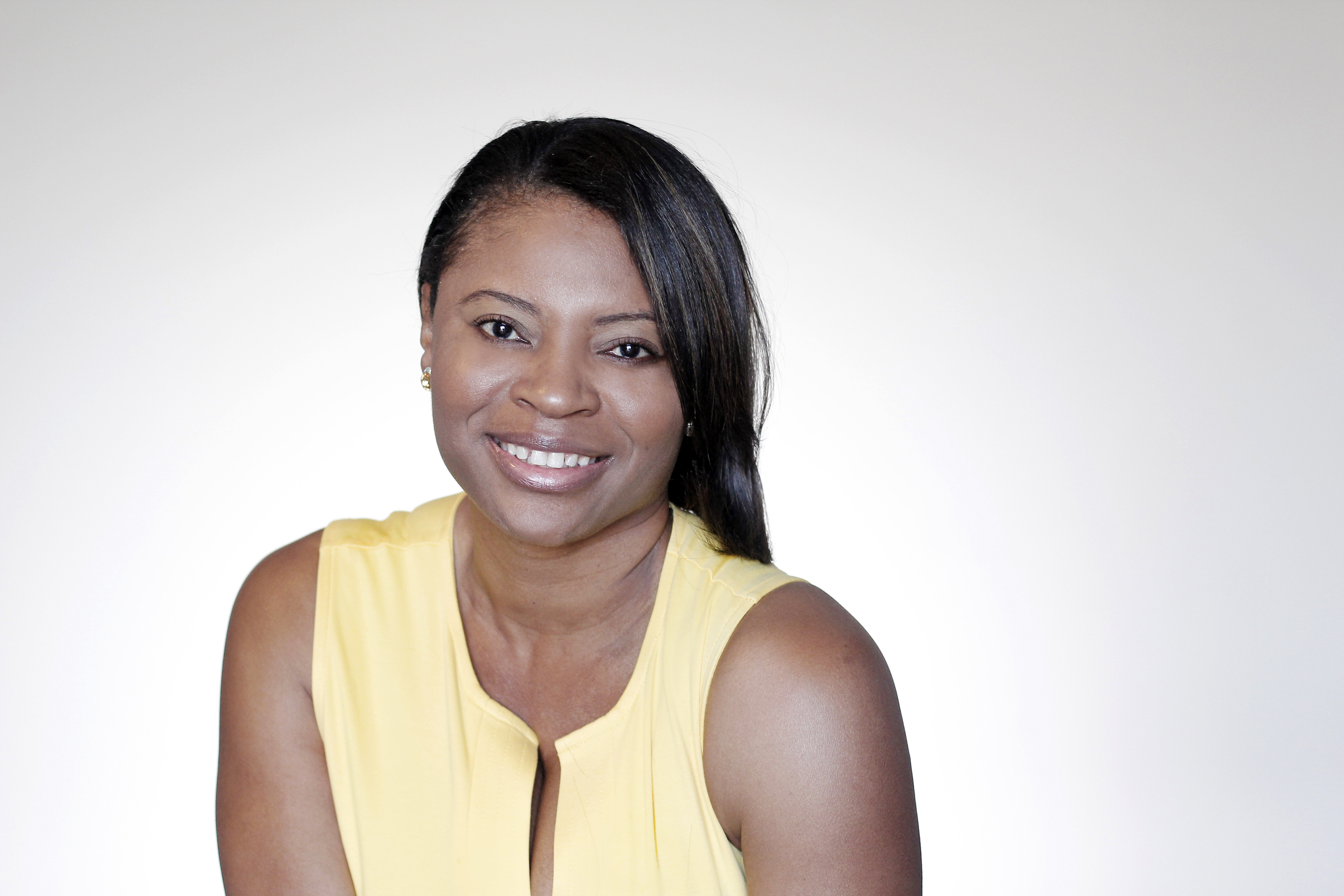
Meet Your Instructor, Vonnie Judge
Welcome to Judge Financial Academy—where your Road to YES begins with understanding, not judgment.
I created Judge Financial Academy because I believe financial education should make you feel more informed and empowered—not embarrassed, overwhelmed, or confused.
With a professional background in accounting, real estate, and consumer financial education, I understand that financial decisions are not simply about numbers. They are also about responsibilities, habits, unexpected changes, and the goals that matter to you.
Throughout Master Your Money, I will slow the numbers down, make the concepts easier to understand, and help you turn what you learn into practical assignments you can use in your everyday life.
You do not need perfect finances or all the answers before you begin. You simply need to be willing to look honestly at where you are today and take the next right step.